
Expand access to social economic services for women and girls living with HIV.
FAAD Key Goals
1. Scaling Up Programs
2. Removing Barriers
Remove human rights and gender-related barriers to health services.
3. SRHR Support
Support comprehensive sexual and reproductive health and rights.
4. Amplifying Voices
Amplify the voices and priorities of women and girls living with HIV, particularly adolescents and young women.
5. Data-Driven Action
Use age- and sex-disaggregated data to identify drivers of poverty and inform responses.
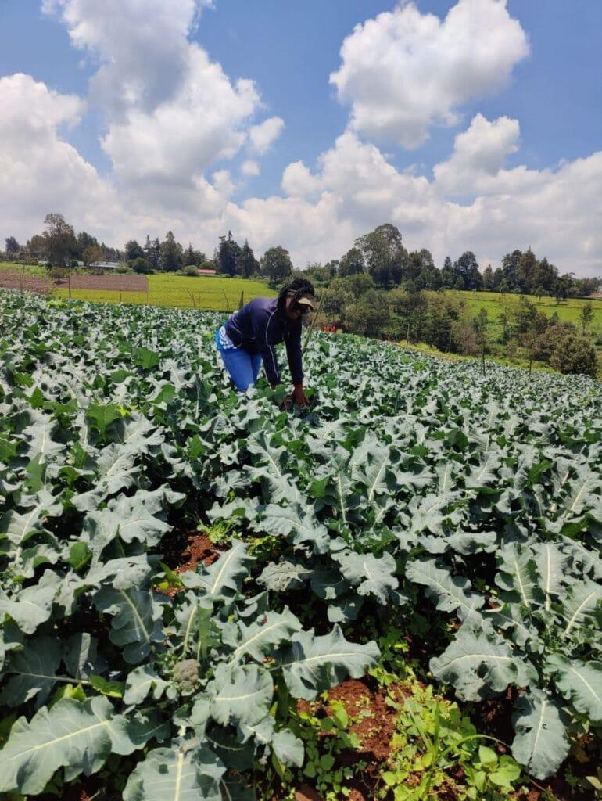
Addressing Poverty Through Economic Empowerment and Financial Inclusion
FAAD is dedicated to enhancing economic resilience and financial empowerment among women and girls living with HIV by promoting access to financial services such as microfinancing, cooperatives, and alternative livelihood programs.
Read moreWhy Economic Empowerment for Women Living with HIV?
Poverty and HIV Vulnerability
High levels of poverty and income inequality in Malawi are directly linked to higher HIV vulnerability, particularly among adolescent girls and young women (AGYW), with women accounting for about 61% of new infections.
Survival Sex and Transactional
Relationships
Economic dependence on male partners and lack of personal income often force women into transactional or survival sex, limiting their ability to negotiate safe sex or exit abusive relationships.
Stigma and Employment Barriers
Over 53% of women living with HIV in certain areas reported that their status impacts their work, often leading to unemployment, as they face discrimination or require time for health-seeking behaviors.
Treatment Adherence Barriers
Economic insecurity directly impedes HIV treatment. Lack of funds for transportation and food prevents many women from regularly accessing antiretroviral therapy (ART) or adhering to treatment.
Enhanced Decision-Making
Research indicates that women who generate their own income are more likely to participate in decision-making and engage in HIV-related spousal communication.